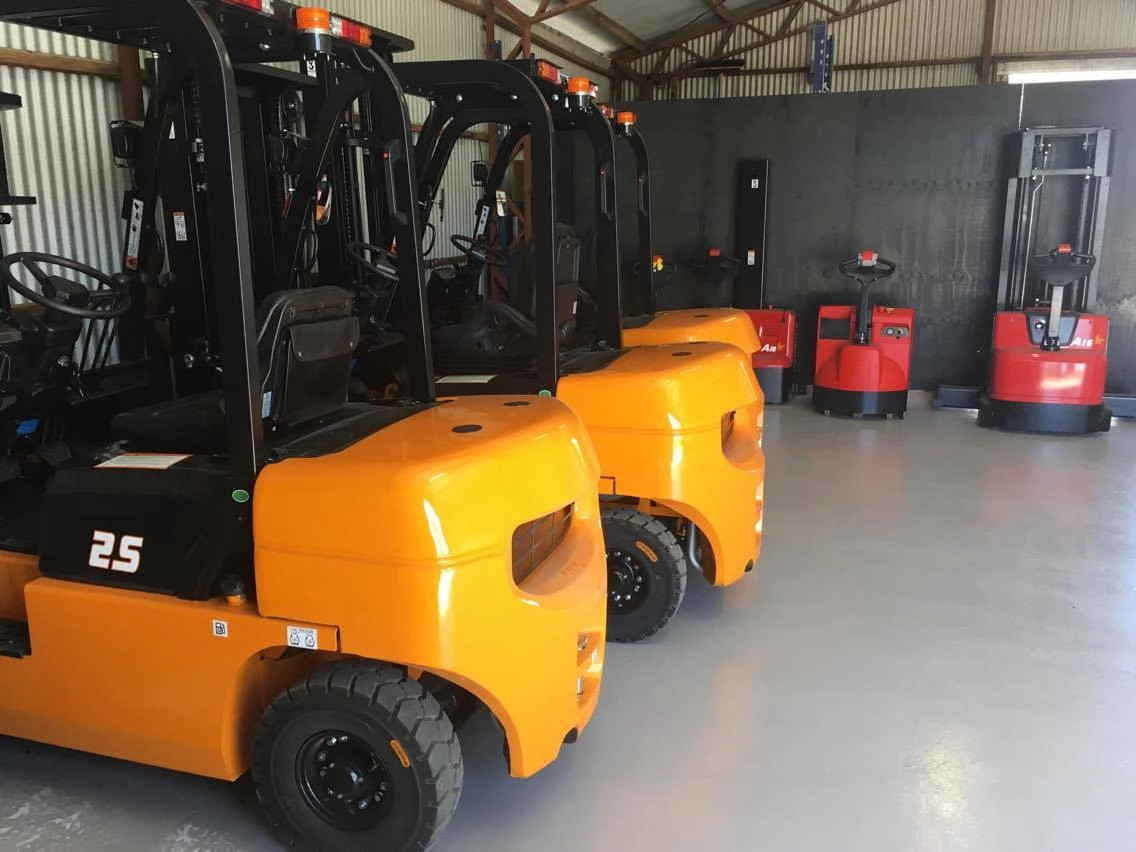
Some businesses treat forklifts like they’re indestructible.
They’re not.
Sure, they’re built to lift tones and take a beating but ignore the basics and even the toughest machine will start complaining. It might be a strange noise at first. A hydraulic leak. A burnt-out tire.
And before you know it, your “reliable workhorse” is parked in the corner, waiting for a part that’s somehow backordered until next month.
The truth is, keeping a forklift in top shape isn’t rocket science. It’s about small, consistent habits that stop little issues from becoming big, expensive headaches.
So before you lose another day to downtime, here are five simple ways to keep your forklift working harder, longer, and without the constant repair bills.
1. Stick to a Consistent Maintenance Schedule
Skipping services is one of the fastest ways to wear down a forklift. Manufacturers set service intervals for a reason they’re based on when parts, fluids, and components start to wear out.
Staying on top of these checks means you catch problems early, keep the engine and hydraulics in top condition, and reduce the chance of expensive breakdowns.
It’s tempting to put off a scheduled service because “it’s still running fine,” but that short-term saving almost always costs more in the long run.
If you’re managing a fleet, keep a simple log of each machine’s service dates and assign someone to make sure nothing slips through the cracks.
2. Invest in Ongoing Operator Training
Even the toughest forklift won’t last if it’s being driven badly. Overloading, sharp cornering, slamming on the brakes, or dropping loads too quickly all create unnecessary strain on the machine. Over time, those bad habits shorten its life and create expensive repair jobs.
Refresher training doesn’t need to be a huge commitment, even a short monthly session can keep good habits front of mind.
And if you hire new staff, make sure forklift handling is covered before they touch the controls. A skilled operator isn’t just safer, they can add years to the life of your equipment.
3. Make Daily Checks a Non-Negotiable
Think of daily inspections as your forklift’s warm-up before a shift.
A quick once-over can reveal issues before they cause bigger problems, from worn tyres and leaking fluids to damaged forks or low hydraulic oil.
It only takes a few minutes, but it’s one of the easiest ways to keep your forklift safe and running at its best.
If you want a checklist that’s already WHS-compliant, Eagle Forklifts has a free WHS Compliance Pack that includes a Daily Forklift Safety Checklist, a Risk Assessment, and a Safe Work Method Statement.
You can download it, use it straight away, and tick both safety and compliance off your to-do list without starting from scratch.
4. Protect Your Forklift from the Elements
A forklift might be built to work hard, but it’s not immune to the damage caused by weather and environment.
Sun, rain, extreme heat, or dust all take their toll over time, corroding metal parts, wearing out seals, and damaging electronics.
Whenever possible, store your forklift under cover, keep it out of direct sun for long periods, and give it a quick clean after dusty or muddy jobs.
Even a rough-terrain model benefits from a little end-of-day care, a few minutes spent cleaning now can save you hours in the workshop later.
5. Use the Right Forklift for the Job
Nothing wears a machine down faster than making it do work it wasn’t designed for.
Using an electric warehouse forklift for heavy outdoor loads, or a large rough-terrain model for tight indoor spaces, will shorten its lifespan and drive up maintenance costs.
If your forklift is regularly pushed beyond its limits, it’s worth reviewing your equipment setup.
Sometimes, the smartest way to extend a forklift’s life is to give it tasks it’s built for and get a second machine for the rest.
The Bottom Line: Longevity Comes from Consistency
Keeping your forklift in top condition isn’t about complicated routines it’s about consistency.
Regular servicing, trained operators, daily inspections, proper storage, and matching the right forklift to the job are five simple habits that can easily add years to your machine’s life.
And remember, safety and lifespan go hand in hand.
The same practices that keep your operators safe also protect your forklift from unnecessary wear.
If you want an easy way to start, download Eagle Forklifts’ free WHS Compliance Pack and start making daily checks part of your routine.
Find the Best Forklifts for Long-Term Performance
If you want a forklift that lasts, it starts with choosing the right one for your workload.
At Eagle Forklifts, we offer a full range of new forklifts, used forklifts, and specialized models, including electric forklifts, LPG forklifts, and diesel forklifts, all backed by expert advice to match you with the perfect fit.
Browse our complete range today and see why businesses across Queensland trust us for reliable forklift sales and service.
View our forklifts for sale here and take the first step toward longer-lasting equipment.