Most businesses do not replace a forklift because of one dramatic breakdown.
It usually happens more quietly than that.
A repair bill lands. Then another one. The forklift is out for half a day again. Parts take longer to source. Operators start working around the machine instead of trusting it. Productivity slips a little more each month.
That is when the real question shows up.
Are we still fixing a useful machine, or are we pouring money into a forklift that has reached the end of its run?
If you are starting to ask that, here are five clear signs it may be time to replace the forklift, not just repair it.
Sign One Repair Costs Keep Climbing Past Common Sense
Every forklift needs maintenance. That part is normal.
What is not normal is when repair costs start feeling like a second payment on a machine that still lets you down.
A practical rule many businesses use is this.
If major repairs are starting to stack up and the annual spend is becoming a serious percentage of the forklift’s remaining value, it is time to stop and compare the numbers honestly.
That might look like replacing hydraulic components, chasing electrical issues, fixing steering problems, and handling repeated callouts across the same year.
Each invoice may feel manageable on its own.
Together, they tell a different story.
If this is you, you are no longer just paying for repairs. You are paying to delay a decision.
Sign Two Parts Are Getting Harder To Find
Older forklifts become expensive in a very specific way.
Not just because parts cost more, but because the right parts are no longer easy to get.
Once that starts happening, every repair becomes slower, more frustrating, and more disruptive to the business.
A machine can be technically repairable and still be commercially impractical.
If your service team is constantly chasing parts, waiting on interstate supply, or improvising around discontinued components, that is a serious end of life sign.
This is where many businesses in Brisbane and Southeast QLD realise the issue is no longer the latest repair. It is the age of the machine itself.
If this is you, your forklift is not just old. It is becoming harder to support properly.
Sign Three Downtime Is Starting To Hurt Productivity
This is the cost many businesses underestimate.
A forklift that breaks down now and then is annoying.
A forklift that regularly disrupts loading, receiving, putaway, or dispatch becomes a productivity problem.
That affects more than the maintenance budget.
It affects labour planning, delivery timing, customer service, and the pace of the entire operation.
If one down machine means staff are waiting around, trucks are delayed, or another forklift has to work twice as hard to cover the gap, the business is already paying for the problem.
This is one of the clearest signs in the forklift repair vs replace conversation.
If the forklift’s unreliability is now affecting output, the machine is costing more than the invoice says.
If this is you, replacement deserves a serious look because downtime rarely gets cheaper with age.
Sign Four Safety And Compliance Concerns Keep Popping Up
Aging forklifts do not just create maintenance issues. They can create confidence issues.
Maybe the steering never quite feels right. Maybe braking has become inconsistent. Maybe warning lights are showing up too often. Maybe operators keep reporting small issues that never fully go away.
Even when a forklift technically still runs, repeated safety concerns change the way people use it.
They hesitate.
They avoid certain tasks.
They work around the machine instead of with it.
That is not a great place to be.
For many businesses, this is the turning point.
If the forklift is becoming harder to keep compliant, harder to trust, or harder to defend from a workplace safety point of view, it may be time to upgrade rather than keep patching the same risks.
If this is you, the real issue is no longer convenience. It is whether the machine still belongs in the fleet.
Sign Five The Total Cost Of Ownership No Longer Makes Sense
This is the big one.
A forklift does not have to be completely dead before it stops making business sense.
Sometimes the smarter move is replacing it while it still has some value rather than waiting until it becomes an expensive liability.
Look at the next three to five years, not just the next repair.
Add up:
- likely maintenance spend
- expected downtime
- parts availability risk
- fuel or energy inefficiency
- safety-related costs
- the opportunity cost of running older equipment
Then compare that with the cost of a newer forklift that is more reliable, easier to support, and better matched to the workload.
This is where a lot of old forklift replacement Brisbane decisions become obvious.
On paper, the old machine may seem cheaper because it is already paid off.
In practice, the total cost of ownership can be higher than upgrading.
If this is you, the forklift may already be costing more to keep than it is worth.
The Decision Most Businesses Delay Too Long
Plenty of businesses wait until the forklift forces the decision on them.
That usually means a major failure, serious downtime, or a rushed replacement under pressure.
The better time to act is earlier, when you can still compare options calmly and choose the right upgrade for the way your operation is heading.
That matters even more if your business has grown, your loads have changed, or the site now needs a different kind of machine than the one you bought years ago.
The goal is not to replace forklifts too early.
It is to avoid replacing them too late.
Frequently Asked Questions
When Should You Replace A Forklift Instead Of Repairing It
You should seriously compare replacement when repair costs are rising, parts are harder to source, downtime is affecting productivity, or safety concerns are becoming harder to ignore.
The decision usually becomes clear when the total cost of ownership over the next few years looks worse than upgrading.
How Long Does A Forklift Usually Last
That depends on hours, environment, maintenance history, and how hard the machine has been worked.
A well-maintained forklift in a clean indoor environment can last many years. A machine working long hours outdoors in tougher conditions may reach the point of replacement sooner.
What Are The Biggest Forklift End Of Life Signs
Common signs include rising repair bills, repeated downtime, worn major components, parts supply issues, and growing safety or compliance concerns.
If more than one of those is happening at the same time, replacement is usually worth reviewing.
Is It Better To Replace One Forklift Or Upgrade The Whole Fleet
That depends on how many machines are causing problems.
If one forklift is clearly the weak link, replacing that unit first may be enough. If several aging machines are creating similar costs and downtime, a broader fleet upgrade may make better financial sense.
Can A Newer Forklift Really Save Money
Yes, especially when the current machine is draining time and money through breakdowns, fuel use, and lost productivity.
A newer forklift may cost more upfront, but it can reduce downtime, improve safety, and lower overall operating costs over time.
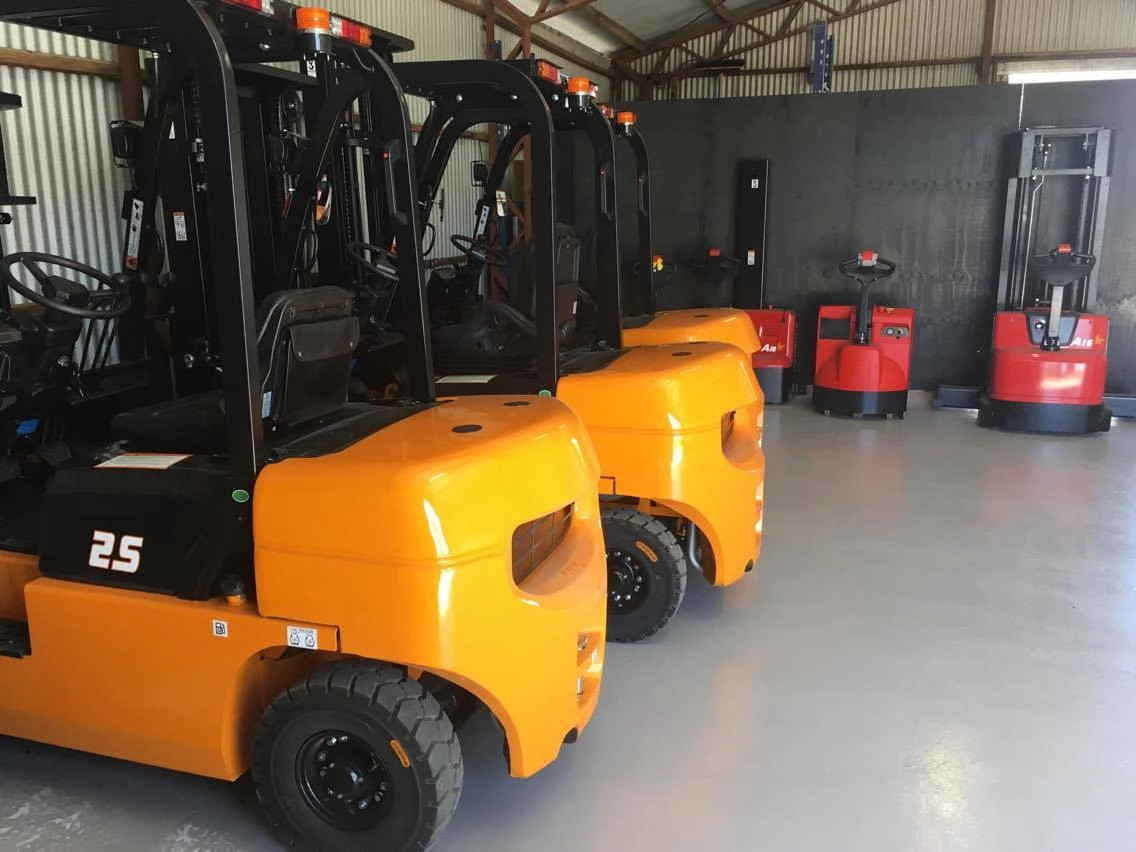
See Eagle’s Current Stock If It Is Time To Upgrade
If several of these signs sound familiar, there is a good chance you are already in the replacement zone.
At Eagle Forklifts, we help businesses across Brisbane and Southeast Queensland compare the real cost of keeping older machines versus upgrading to forklifts that better suit their workload now.
If any of these sound familiar, it might be time to upgrade. See Eagle’s current stock and start comparing your next move with clearer numbers in front of you.