If you are looking at a pallet stacker, chances are you are asking yourself a pretty practical question.
Do we really need a full forklift, or would a smaller, cheaper machine handle most of what we do?
For a lot of warehouses, retail backrooms and small distribution sites, that is exactly the right question to ask. A forklift can be more machine than the job needs. But a stacker pushed beyond what it was built for can slow everything down and create new safety problems.
The right choice comes down to your loads, your space and how hard the machine will work.
Here is how to tell the difference.
What A Pallet Stacker Does
A pallet stacker is a compact machine designed to lift pallets off the ground and place them into low to mid height racking.
Most modern units are electric, and many are pedestrian operated, which means the operator walks behind or beside the machine instead of sitting in it. Some models add a ride on platform or forward reach design for extra flexibility.
Compared with a forklift, a stacker is usually:
- smaller and lighter
- easier to manoeuvre in tight aisles
- cheaper to buy and run
- quieter and emission free indoors
For sites that mostly move pallets short distances and stack them at moderate heights, that combination is hard to beat.
Where A Forklift Is Still The Better Tool
A pallet stacker is great at what it does. It is just not built to do everything.
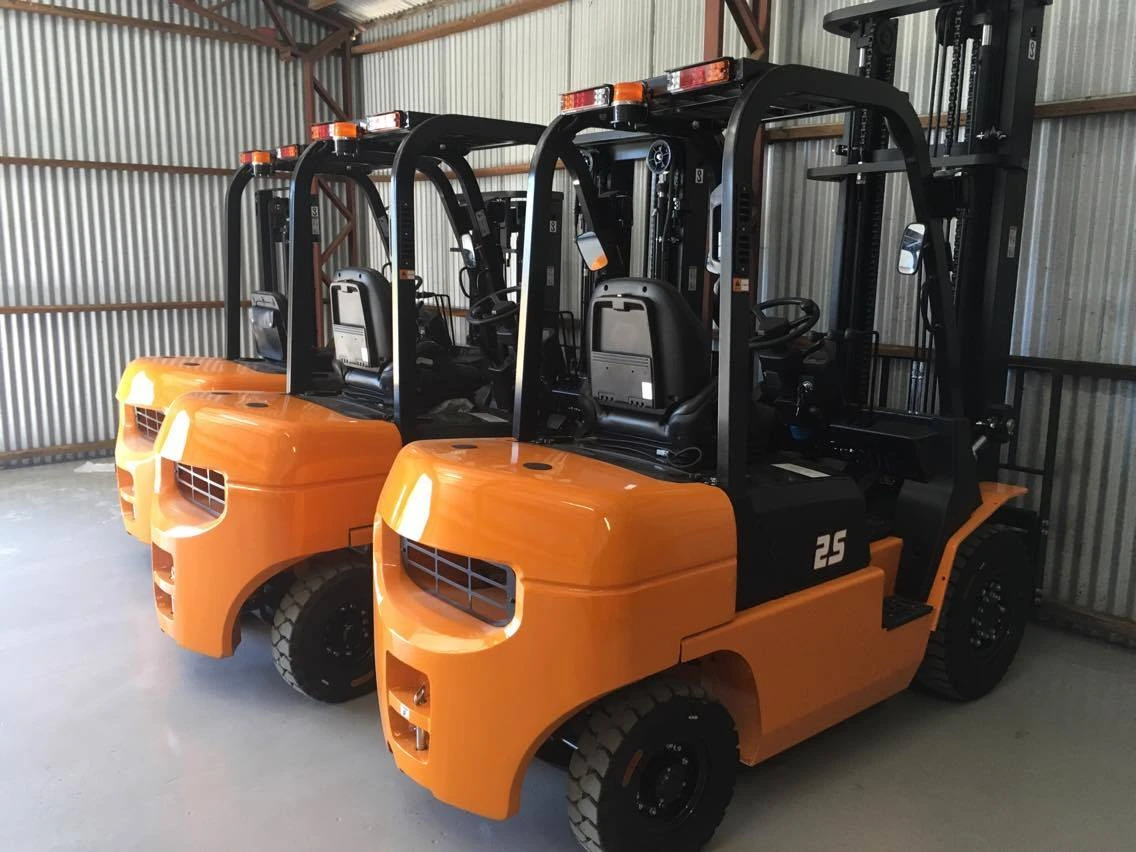
A forklift tends to make more sense when:
- loads are heavy or close to a stacker’s limit
- pallets need to go into high racking
- the machine travels longer distances across the site
- the work includes loading and unloading trucks
- the ground is uneven or outdoors
Forklifts are faster over distance, handle heavier loads and cope with more demanding conditions. If your operation leans toward those tasks, a stacker may end up being a stopgap rather than a solution.
Pallet Stacker Vs Electric Pallet Jack
This is another comparison people often get stuck on.
An electric pallet jack is designed to lift a pallet just off the floor and move it. It is perfect for shifting loads across a warehouse, loading dock or truck bed, but it does not lift pallets into racking.
A pallet stacker does both. It moves the pallet and lifts it up to a shelf or rack.
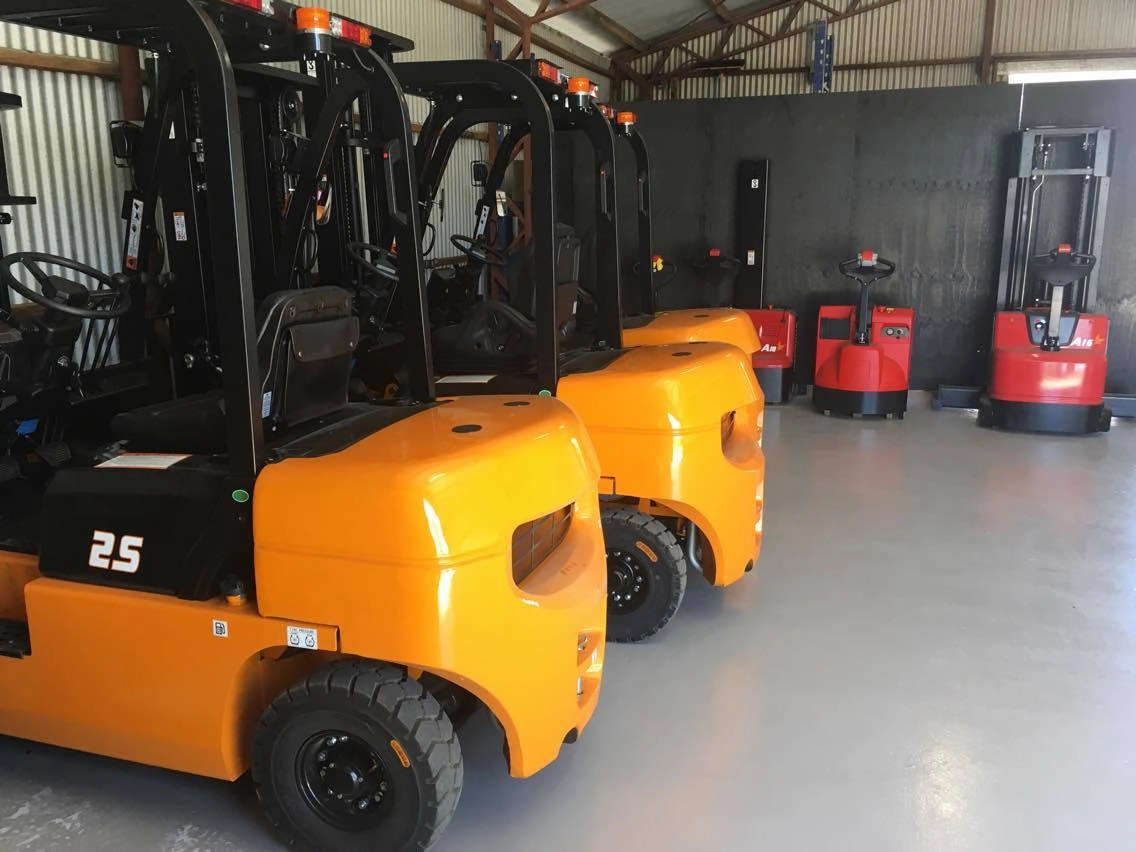
So if your team mostly moves pallets at floor level, an electric pallet jack may be all you need. If pallets regularly go up into racking, a stacker is the better fit. Many warehouses end up running both, with pallet jacks handling the horizontal work and stackers or forklifts handling the vertical work.
Think About Throughput, Not Just Price
It is tempting to choose a stacker simply because it costs less. That can be the right call, but only if it keeps up with the work.
Pedestrian stackers move at walking pace. That is fine for short runs and moderate volumes. It becomes a problem when operators are walking long distances all day or when pallets are piling up faster than they can be moved.
Ask yourself:
- how many pallets do we move per hour at peak
- how far does each pallet travel
- how high does it need to go
- how many hours a day will the machine run
If the answers point to high volume, long distances or tall racking, a forklift may be the cheaper option once time and labour are factored in.
Licensing And Safety Differences
This is one area where stackers and forklifts can be treated differently in Queensland.
WorkSafe Queensland’s definition of a forklift truck for licensing purposes does not include pedestrian operated trucks or pallet trucks. You can read the full definition on WorkSafe Queensland’s forklift truck licence page.
That does not mean anyone can jump on and go. Businesses still have a duty to make sure operators are trained and competent on any powered equipment they use, and ride on or sit down models may fall under different rules. Always confirm the requirements for the specific machine before putting it to work.
It is also worth remembering why these machines matter in the first place. Moving pallets by hand is a common source of strain injuries, and WorkSafe Queensland’s guidance on hazardous manual tasks shows why the right equipment is part of keeping people safe, not just keeping the warehouse moving.
Lithium Has Made Pallet Stackers Even More Practical
Older electric stackers often relied on lead acid batteries, which meant long charge times, watering and regular maintenance.
Many modern pallet stackers now run on lithium-ion batteries. That means faster charging, the ability to top up during breaks and no battery watering. For smaller sites without a dedicated charging area, lithium makes owning a stacker far simpler.
It also means less time spent on battery care and more time spent moving stock.
How Eagle Forklifts Helps You Choose The Right Warehouse Machine
Eagle Forklifts supplies both forklifts and warehouse machinery, so the recommendation is based on your site rather than a single product line.
The warehouse range includes lithium-ion pallet stackers from 1.2 to 1.6 tonne capacity, 1.2 and 1.6 tonne forward reach pallet stackers, and lithium-ion electric pallet jacks, including a rough terrain model for less forgiving surfaces. When the workload calls for more, the team can walk you through electric, LPG and diesel forklift options as well.
Every new machine comes with a 5 year warranty, and Eagle’s local service team supports the whole fleet after delivery. That makes it easier to start with the right machine now and scale up later without switching suppliers.
Find The Right Fit For Your Warehouse
If you are comparing a pallet stacker with a forklift, the right answer comes from your load weights, rack heights, travel distances and daily volume.
You can browse Eagle Forklifts’ warehouse machinery here, compare the electric forklift range, or contact the team for practical advice on what suits your space.
Frequently Asked Questions About Pallet Stackers
What is the difference between a pallet stacker and a forklift?
A pallet stacker is a compact, often pedestrian operated machine designed to lift pallets into low to mid height racking. A forklift handles heavier loads, higher lifts, longer distances and tougher conditions.
Do you need a forklift licence to operate a pallet stacker in Queensland?
WorkSafe Queensland’s forklift licence definition excludes pedestrian operated trucks and pallet trucks, but operators still need proper training. Check WorkSafe Queensland’s forklift licence page for the specific machine you plan to use.
What is the difference between a pallet stacker and an electric pallet jack?
An electric pallet jack lifts pallets just off the floor to move them. A pallet stacker can move pallets and lift them up into racking or onto shelves.
How high can a pallet stacker lift?
It depends on the model. Stackers are generally designed for low to mid height racking, so check the lift height specification against your tallest racking before you buy.
Are lithium pallet stackers worth it?
For most sites, yes. Lithium-ion stackers charge faster, need no battery watering and can be topped up during breaks, which makes them easier to run day to day.