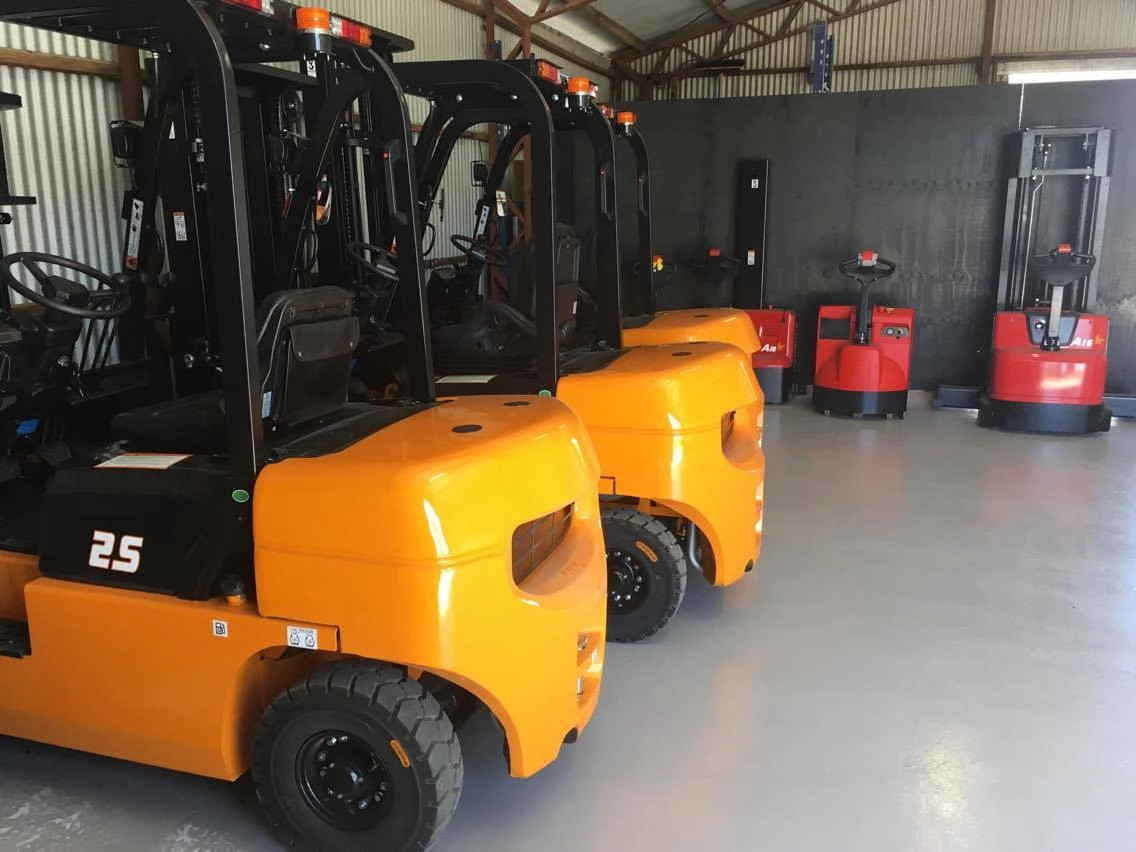
Walk into a modern warehouse in Brisbane and there is a good chance you will see more electric forklifts than ever before.
They glide quietly down aisles. There are no exhaust fumes hanging in the air. Communication between team members is easier. The whole space feels calmer.
But if you are running a busy operation, it is natural to ask a bigger question:
Are electric forklifts really worth it for your warehouse, or are they just the latest trend?
The honest answer is that electric forklifts can be an excellent fit for many Brisbane warehouses — but they are not the right choice for every site or every workload.
Here is a clear, practical look at when electric forklifts make sense, where they shine, and what you need to have in place before you switch.
Why Electric Forklifts Suit Indoor Warehouses So Well
Electric forklifts are built for environments where clean air, controlled conditions, and consistent movement matter.
For indoor warehouses in Brisbane, they bring several advantages straight away:
- No exhaust fumes inside the building
- Lower noise levels across the shift
- Smooth control for tight aisles and precise stacking
- Lower day to day maintenance compared to many fuel powered machines
If you work with food, retail goods, pharmaceuticals, or any product sensitive to fumes or dust, these benefits are hard to ignore.
Cleaner Air For Your Team And Your Stock
One of the biggest changes businesses notice when they move from LPG or diesel to electric forklifts is the air quality.
With electric forklifts, there are:
- no exhaust fumes building up indoors
- fewer air quality concerns in enclosed areas
- less need to constantly think about ventilation
Staff simply feel better working around electric forklifts all day.
For warehouses that store food products, packaging, or sensitive materials, eliminating exhaust fumes is not just a comfort issue — it is a quality and compliance advantage.
Quiet Operation That Improves Communication
Noise might not appear on your balance sheet, but it affects your warehouse every day.
Electric forklifts run significantly quieter than diesel or LPG models. That means:
- operators can hear spotters and supervisors more clearly
- pedestrians can hear forklifts approaching
- team members can communicate without shouting over engines
Over a full shift, a quieter environment reduces fatigue and makes it easier for everyone to stay focused on what they are doing.
Lower Running Costs Over The Long Term
Electric forklifts usually cost more upfront than comparable internal combustion models. The difference is that much of your ongoing spend shifts from fuel and mechanical servicing to electricity and battery care.
Over time, many Brisbane warehouses find that:
- electricity costs less than LPG or diesel per hour of operation
- there are fewer moving engine parts to maintain
- there is no need for oil changes, exhaust repairs, or fuel system work
The result is often lower total running costs over the life of the machine, especially for predictable warehouse shifts.
Modern Batteries Keep Warehouses Moving
Older electric forklifts had a reputation for long charging times and limited run hours. Modern battery technology has changed that picture.
With today’s electric forklifts, especially those using lithium‑ion batteries, you can:
- opportunity charge during breaks and shift changes
- avoid damaging the battery with partial charges
- keep machines in rotation with a sensible charging routine
For many warehouses running one or two shifts, this fits naturally into the day.
The key is planning charging into your workflow rather than treating it as an afterthought.
Where Electric Forklifts Are Not The Best Fit
For all their advantages, electric forklifts are not a perfect solution for every situation.
They may not be the best choice when:
- most of your work is outdoors on rough or wet ground
- you run long, continuous shifts with little or no downtime
- you do not have suitable power access or space for chargers
- you regularly work in remote or temporary locations
In these cases, diesel or LPG forklifts can still be a better match. They offer:
- higher tolerance for rough surfaces and changing weather
- fast refuelling instead of scheduled charging
- flexibility for sites without reliable power access
The decision is not “electric versus everything else”. It is about matching the forklift type to the conditions it will actually face.
Questions To Ask Before Switching To Electric
If you are considering moving to electric forklifts in Brisbane, a few practical questions will quickly show whether they are worth it for your warehouse:
- How many hours per day will each forklift run?
- Electric forklifts thrive in predictable shift patterns with breaks that allow for charging.
- Is most of our work indoors on smooth concrete?
- If yes, electric forklifts are usually an excellent fit.
- Do we have, or can we create, a safe charging area?
- You will need suitable power access, ventilation as required, and a clearly defined space for chargers.
- Are we aiming to improve air quality or reduce noise for staff?
- If cleaner, quieter operation is a priority, electric is hard to beat.
- How long do we plan to keep each forklift?
- The longer you keep the machine, the more its lower running costs can outweigh the higher upfront price.
Frequently Asked Questions About Electric Forklifts
Are Electric Forklifts Powerful Enough For Warehouse Work?
Yes. Modern electric forklifts are more than capable of handling typical warehouse loads, including palletised stock, racking work, and dock loading.
As with any forklift, the key is choosing the right capacity and mast configuration for your heaviest loads and highest lift points.
Do Electric Forklifts Really Save Money?
They can — especially in indoor warehouses with regular shifts.
Savings usually come from:
- lower energy costs compared to LPG or diesel
- reduced engine‑related servicing
- fewer consumables like oil and filters
Every site is different, but many operations find that the total cost of ownership over several years compares very favourably to fuel powered machines.
How Long Does An Electric Forklift Run On A Single Charge?
Run time depends on the model, battery type, and how hard the machine is worked.
For many warehouse operations, a properly specified electric forklift can comfortably cover a standard shift with planned charging windows.
Your supplier can help you estimate run times based on your hours and workload.
What Happens If We Forget To Charge The Forklift?
If a forklift is consistently run flat, it will eventually affect productivity and, for some battery types, long term battery health.
That is why planning simple charging habits — for example, plugging in during lunch or between shifts — is so important.
With a clear routine, charging quickly becomes just another part of the daily workflow.
Are Electric Forklifts Better For The Environment?
Electric forklifts produce no exhaust emissions at the point of use, which makes a big difference for indoor warehouses and enclosed spaces.
They also support broader sustainability goals by reducing reliance on fossil fuels on site.
The overall environmental impact still depends on how the electricity is generated, but for many businesses, moving to electric is a meaningful step toward cleaner operations.
When Electric Forklifts Are Absolutely Worth It
Electric forklifts are often an excellent choice when:
- your work is mostly indoors on smooth floors
- you value clean air and low noise for your team
- your shifts have natural breaks for charging
- you plan to keep the forklift for several years
In these situations, many Brisbane warehouses find that electric forklifts are not just “worth it” — they quickly become the obvious choice.
When It Is Better To Talk It Through First
If your operation is mixed indoor and outdoor, runs very long hours, or has unusual site conditions, the answer is less black and white.
That is where local advice matters.
A supplier who understands both electric forklifts and traditional options like LPG and diesel can look at your real‑world setup and show you what will work best — not just what looks good on paper.
Get Clear, Local Advice On Electric Forklifts For Your Brisbane Warehouse
Choosing the right forklifts is less about following trends and more about matching equipment to the way your warehouse actually runs.
At Eagle Forklifts, we help warehouses across Brisbane and South East Queensland compare electric forklifts with LPG and diesel options so they can choose with confidence.
If you are curious about whether electric forklifts are worth it for your site, you can start by browsing models here:
Browse forklifts suitable for Brisbane warehouses
Or, if you would rather talk through your layout, hours, and workloads with someone who understands local conditions, you can reach the Eagle Forklifts team here: