Leadership doesn’t come with a pause button.
When you’re the one steering the ship, it’s on you to keep everything moving: the jobs, the people, the
numbers, the reputation.
There’s always another call to answer , another fire to put out, another decision waiting on your desk.
And even when the workday ends, your brain doesn’t. It keeps running through problems long after everyone else has gone home.
That’s the thing no one tells you about being “the boss.” It’s not just pressure, it’s isolation.
But here’s the truth: people don’t follow titles. They follow trust. They follow calm when things get messy. They follow people who can balance strength with empathy, and authority with a bit of humanity.
So if you’ve ever wondered how to be the kind of leader people want to follow, not just the one they have to, this one’s for you.
1. Communicate More Than You Think You Need To
If there’s one leadership skill that never goes out of style, it’s communication. People can handle bad news. They can handle tough calls. What they can’t handle is silence.
Your team can’t read your mind. They don’t see the spreadsheets, the budgets, or the forecasts. All they see is the day-to-day. And when communication dries up, people fill in the blanks, usually with the worst-case scenario.
Over-communicating doesn’t mean holding endless meetings. It means being visible, approachable, and consistent. It means looping your team in on the “why” behind decisions, not just the “what.” It means checking in before problems grow legs.
Great leaders don’t just talk at their teams, they talk with them. The difference sounds small, but it builds trust faster than anything else.
2. Praise in Public, Correct in Private
Dale Carnegie had it right: “Be hearty in your approbation and lavish in your praise.”
In other words, don’t hold back when someone does great work. Genuine recognition is rocket fuel for morale.
It tells people they matter and that their effort doesn’t go unnoticed.Too many leaders skip this part. They assume “that’s their job” and move on. But people aren’t robots. They thrive on acknowledgment. A quick word of thanks or a simple, “That was a solid job today,” can makesomeone’s entire week.
The trick is to make it specific. Don’t just say “Good work. ” Say why it was good.“ I liked how you handled that delivery issue, you solved the problem before it became one.” That kind of praise is worth ten generic compliments.
And when something needs correcting, keep it private.
3. See What They Can’t See
Here’s where your perspective as a leader really matters. You can see things your team can’t, the bigger picture, the ripple effects, the roadblocks ahead.
That doesn’t make you better than them; it makes you responsible for helping them see it too. Sometimes that means clearing obstacles so they can move faster . Sometimes it means explaining why a small detail actually matters to the bigger outcome.
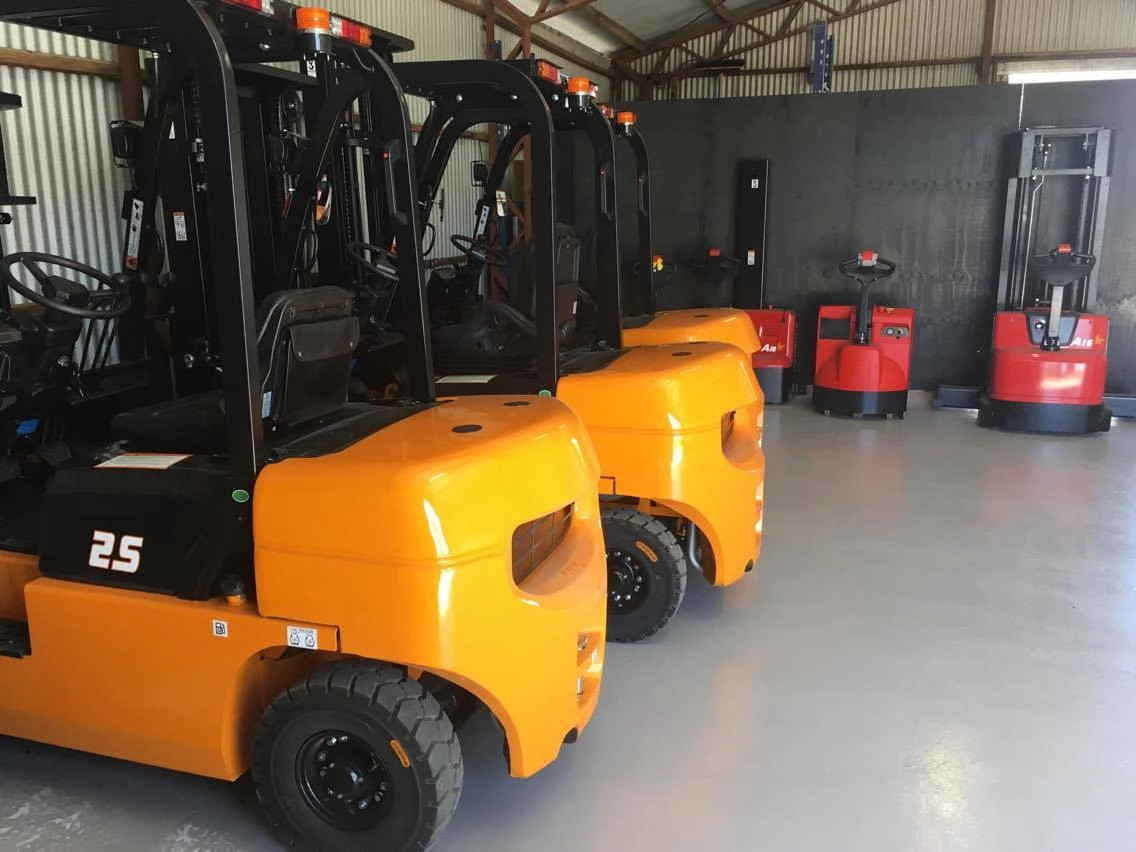
If you’ve ever operated a forklift, think of it like managing blind spots. From the driver’s seat, you see more than the person standing beside the load. You know what’s balanced and what’s not.
Leadership works the same way. You’re there to steer , guide, and prevent the crash before it happens, not to micromanage every movement.
The best leaders aren’t just “in charge.” They’re in position — close enough to understand the work, but far enough back to see what others can’t.
4. Be the Calm in the Chaos
Teams don’t follow leaders who panic. They follow leaders who stay grounded.
When things get chaotic — and they always do — your calm becomes contagious. People take cues from your reactions. If you’re sharp, defensive, or frustrated, that tone spreads faster than any memo.
But when you respond with steady confidence, even when things go sideways, it gives your team permission to do the same.
Leadership doesn’t mean pretending everything’s perfect. It means showing that even when things aren’t, you’ve got it under control.
Forklifts don’t rush, and neither should you. They lift heavy loads slowly, deliberately, and with balance. The same goes for people. The heavier the pressure, the steadier you need to be.
5. Listen Like It’s Your Job (Because It Is)
One of the fastest ways to lose good people is to stop listening. Everyone wants to feel heard — especially by the person calling the shots.
That doesn’t mean you need to agree with everything. But when you give people space to talk, you get two massive benefits: clarity and trust. You understand problems earlier , and they feel valued enough to speak up before something breaks.
Listening also helps you spot patterns. If multiple team members raise the same concern, it’s not a coincidence — it’s a signal. You can’t fix what you don’t know about, and most leaders only find out about issues after they’ve exploded.
The best leaders catch them early, not because they’re lucky, but because they listen.
6. Don’t Just Delegate — Empower
Delegating is giving someone a task. Empowering is giving them ownership.
When you empower people, you’re not just offloading work, you’re showing that you trust them to deliver . That kind of confidence can transform an average employee into a standout performer .
The trick is to be clear on expectations and outcomes, but flexible on how they get there.
Micromanaging kills initiative faster than a dead battery. Give people the tools, the trust, and the freedom to do their best work, then step back.
In forklift terms, you’re not the one lifting every load anymore, you’re making sure the machine’s running smoothly so everyone else can.
7. Lead with Gratitude, Not Entitlement
Leadership often comes with long hours, stress, and tough calls. But it also comes with a team of people showing up every day to help you make it happen.
Gratitude keeps that perspective in check.
When you see your team’s effort for what it is, a choice, it changes how you lead. You communicate better . You listen more. You say thank you more often. And funnily enough, people end up working harder not because they have to, but because they want to.
Gratitude doesn’t make you soft. It makes you human. And people will always go the extra mile for a human leader .
The Bottom Line: Great Leadership Lifts Everyone Higher
At the end of the day, being a leader isn’t about titles or authority, it’s about influence, trust, and the ability to bring out the best in your people. Strong leadership builds safer , more productive worksites, whether you’remanaging a warehouse, logistics team, or a full fleet of forklifts.
When you communicate clearly, recognise effort, and stay grounded under pressure, your team will follow not because they have to, but because they want to. That’s what separates a boss from a true leader.
At Eagle Forklifts, we believe leadership and equipment share one key principle, balance. You can’t lift the load without stability. Our forklifts are built to support strong, reliable operations for business owners and managers across Queensland.
Build a Safer , Stronger , and More Productive Team
Ready to lead your team with confidence, and equip them with the right tools for the job?
Explore our range of new and used forklifts designed for warehouse, construction, and logistics operations.
Browse the full Eagle Forklifts range and find equipment that’s safe, compliant, and ready to move your business forward.
Because great leaders don’t just manage teams, they build the foundations for success.