Running a business has a funny way of holding up a mirror. You cannot really hide from it.
Your habits show up in your systems. Your standards show up in your results. And the way you make decisions, especially under pressure, shapes how everything runs day to day.
Over time, most business owners notice the same thing. As the business grows, tolerance for problems gets lower. Small issues feel bigger. Delays feel heavier. Weak links become impossible to ignore.
That is usually when standards rise. For people. For processes. And for equipment.
Business Has a Way of Raising Your Standards
When you first start out, you are often more flexible. You make do. You work around problems. You accept a bit of mess because progress matters more than polish.
As time goes on, that changes.
You realise that every small problem costs time. Every workaround drains energy. Every unreliable piece of equipment adds friction to the day.
That is when standards creep up. Not out of ego, but out of necessity. You expect more from your team, your suppliers, and yourself, because the cost of inconsistency becomes too high.
Equipment sits right in the middle of this shift.
The True Cost of Cutting Corners Rarely Shows Up Upfront
Cutting corners usually looks harmless at first.
The cheaper option works. The older machine still runs. The temporary fix gets you through the week. On paper, it feels like a win.
The real cost shows up later.
It shows up as downtime when a machine fails at the worst moment. It shows up as delays that push everything else out. It shows up as frustration when your team is waiting on equipment instead of doing their job.
None of those costs appear on an invoice. But they add up quickly.
Downtime Is More Expensive Than Most People Admit
Most businesses underestimate the cost of downtime.
It is not just the machine that stops. People stop. Schedules shift. Jobs get delayed. Stress levels rise. Focus disappears.
One unreliable piece of equipment can quietly drag down an entire operation. And once that happens regularly, it becomes normalised, even though it should not be.
Reliable equipment does not just save money. It protects momentum.
Strong Businesses Remove Friction Wherever They Can
As businesses mature, owners start to think differently.
They stop asking what is cheapest and start asking what is easiest to live with. What causes the least disruption. What supports growth instead of slowing it down.
That mindset applies to systems, software, and equipment alike.
When forklifts are part of your workflow, they should not be something you worry about daily. They should work. They should be supported. And when something does go wrong, help should be easy to access.
That is what good equipment does. It removes friction instead of adding it.
Cheap Fixes Often Create Long Term Problems
We see this often. A business chooses a lower cost option to solve a short term issue. It works for a while. Then the issues start.
More servicing. More breakdowns. More time spent organising repairs. More conversations about whether to replace it.
By the time the decision is revisited, the total cost has already passed what a better option would have cost in the first place.
Cutting corners rarely saves money over time. It just spreads the cost out in less visible ways.
Standards Rise As Responsibility Grows
As a business owner, the weight of responsibility increases. You are not just responsible for output. You are responsible for people, safety, timelines, and customer expectations.
That pressure naturally raises your standards.
You want equipment that is safe. You want equipment that your team can trust. You want equipment that does not put you in a reactive position every few weeks.
This is not about perfection. It is about control and predictability.
Equipment Is Part of Your Reputation
Whether you realise it or not, your equipment reflects your business.
Clients notice delays. Staff notice frustration. Partners notice inefficiency. Over time, those signals add up.
Reliable equipment supports a reputation for professionalism. Unreliable equipment chips away at it quietly.
This is especially true in environments where forklifts are central to daily operations. Warehouses, logistics, construction sites, and manufacturing floors all rely on things running smoothly.
Why This Matters More As You Scale
As businesses grow, problems multiply faster.
One breakdown in a small operation might be manageable. In a larger operation, it can ripple across teams and schedules.
That is why growing businesses often revisit earlier decisions. What worked when things were smaller does not always work later on.
Upgrading equipment is often part of that evolution. Not because the old option failed completely, but because the business outgrew it.
Investing in the Right Equipment Is About Reducing Mental Load
There is an emotional side to this that often gets overlooked.
Knowing your equipment is reliable reduces mental load. It frees up attention for bigger decisions. It reduces background stress. It allows you to focus on growth instead of firefighting.
Good equipment gives you one less thing to think about. And in a busy business, that matters more than people expect.
Where This Connects Back to Forklifts
Forklifts are workhorses. They lift heavy loads. They move constantly. They operate in busy environments. When they fail, everything feels it.
Choosing the right forklift is not about overbuying. It is about choosing something that fits your operation, your workload, and your future plans.
Sometimes that means buying new. Sometimes it means hiring. Sometimes it means upgrading sooner than planned.
The common thread is intention. Making a decision based on long term value rather than short term savings.
How We See This Play Out Every Day
At Eagle Forklifts, we work with businesses at all stages. Some are just starting out. Others are well established and scaling.
The most successful ones share a similar mindset. They care about reliability. They value support. They understand that equipment is part of their foundation, not an afterthought.
They are not chasing the cheapest option. They are choosing the option that makes their business easier to run.
If You Are Rethinking Your Equipment Standards
If you are starting to feel the strain of unreliable equipment, it is often a sign that your business is ready for better systems.
That does not always mean replacing everything at once. It means asking better questions and setting clearer standards.
For Brisbane and South East Queensland businesses that rely on forklifts, having the right machines makes a real difference to productivity, safety, and long term costs.
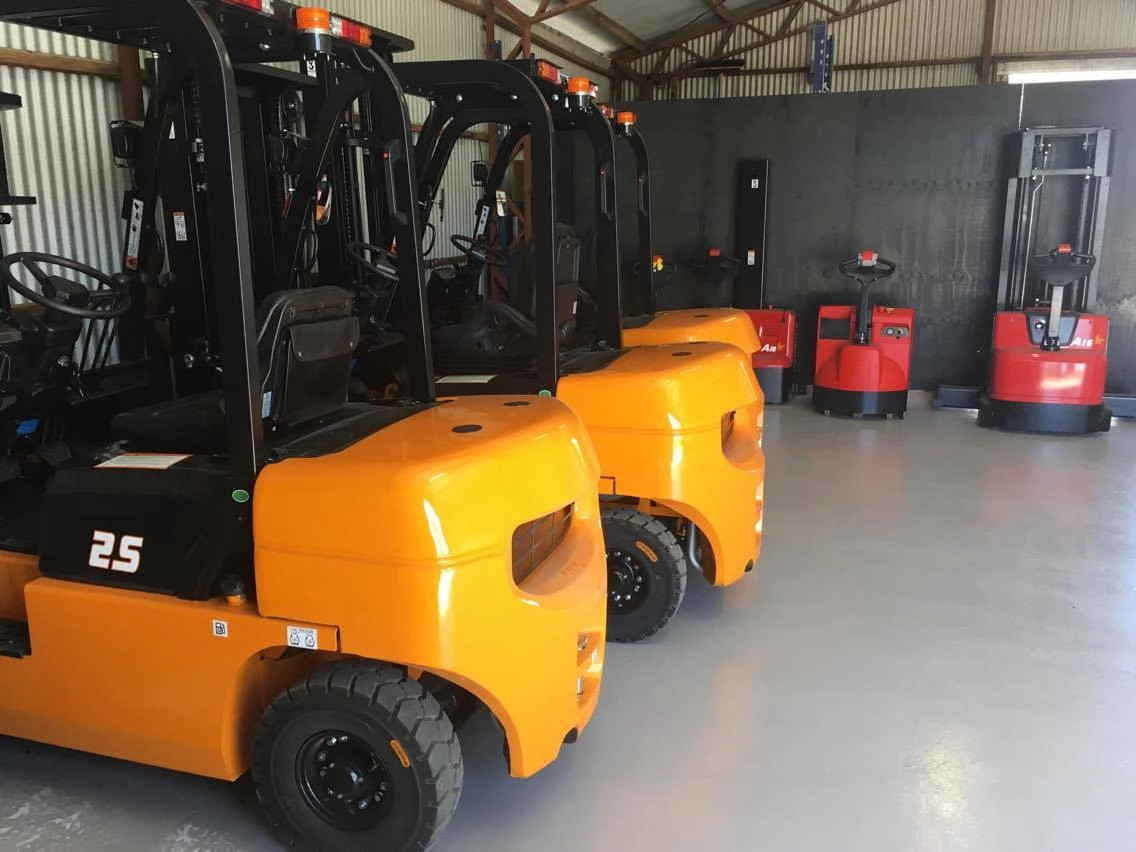
You can view the Eagle Forklifts range of forklifts available in Brisbane and across South East Queensland here
https://eagleforklifts.com.au/shop
Choosing better equipment is not about spending more. It is about protecting your time, your team, and the business you are building.