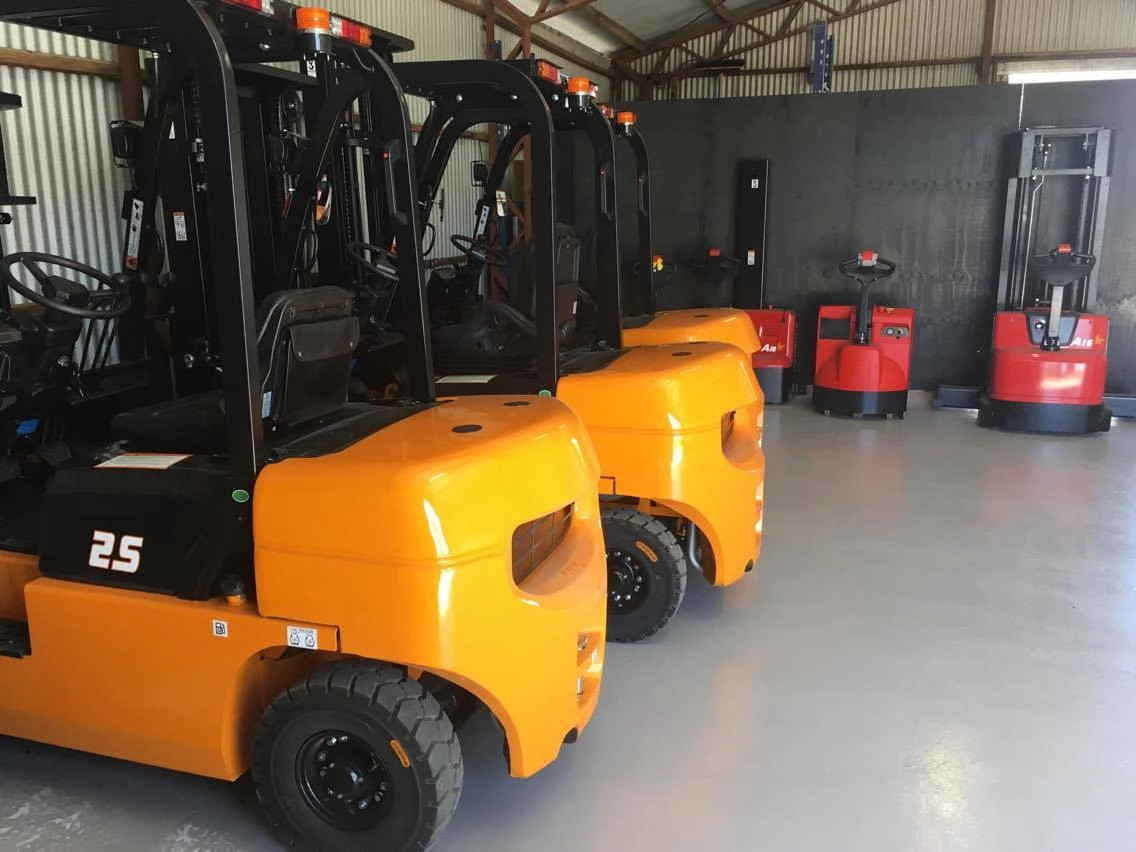
If you run a warehouse, yard, or busy site in Brisbane, your forklifts are not just equipment — they are part of the backbone of your operation.
When they are running well, everything else feels easier. When they are not, everyone feels it. Jobs take longer. Staff get frustrated. Deadlines start to slip.
The tricky part is knowing when “a few issues” have turned into a bigger problem. Replacing a forklift is a serious decision, but hanging onto the wrong machine for too long can quietly cost more than upgrading.
Below are five clear signs your business might be ready for a new forklift, plus what to do if you are starting to notice them on your site.
Rising Downtime And Repair Costs
Every forklift needs servicing. That is normal. What is not normal is feeling like the machine spends more time off the floor than on it.
If you are:
- booking more callouts than you used to
- dealing with repeat faults on the same machine
- waiting on parts that keep delaying jobs
then you are no longer just paying for repairs, you are paying for downtime.
That downtime shows up as:
- staff standing around waiting for a machine
- trucks sitting in the yard longer than they should
- jobs being pushed to later in the day or week
Older forklifts often become “good money after bad”. Each repair feels manageable on its own, but over 6–12 months the total spend can easily pass what you would have paid on repayments for a newer, more reliable machine.
If your maintenance invoices are trending up and reliability is trending down, that is a strong sign it is time to compare the cost of keeping the old forklift versus upgrading to a newer model.
Your Operation Has Outgrown The Forklift
Many Brisbane businesses are still using the same forklift they bought when things were quieter.
Maybe you:
- added a second or third shift
- increased stock volumes
- started handling heavier or taller pallet loads
- expanded into new areas of the yard or warehouse
If the forklift you rely on every day was bought for a smaller, simpler operation, it might now be holding you back.
Common signs include:
- operators constantly pushing close to the rated capacity
- pallets stacked lower than you would like because the mast will not safely reach higher
- queues forming because one or two forklifts are trying to cover too much ground
Working a machine at its limits all the time shortens its life and increases safety risk. Upgrading to a forklift with the right capacity, lift height, and features for your current workload is often more cost effective than stretching an old one beyond what it was built for.
Safety Concerns Are Starting To Creep In
Safety issues rarely appear overnight. They usually build up over time as small warning signs that are easy to ignore when you are busy.
Watch for things like:
- worn or uneven tyres that keep getting mentioned but never quite make it to replacement
- inconsistent brakes or steering that “feel a bit off” to operators
- warning lights on the dash being treated as normal background noise
- more near misses around racks, docks, and pedestrian areas
Even if the forklift technically still works, once operators start to lose confidence in it, the risk goes up. They compensate by driving differently, avoiding certain tasks, or hesitating in tight spaces.
A new or newer forklift, correctly matched to the site, brings modern safety features, better visibility, and a machine your team trusts. That confidence shows up in smoother, safer, more predictable work.
More Time Spent Managing Breakdowns Than Managing Work
If every week seems to include another forklift issue, you are not just losing money — you are losing focus.
Ask yourself:
- How much time are you or your supervisors spending organising emergency repairs?
- How often are you reshuffling staff and schedules around a down machine?
- Are you delaying incoming jobs because you are not sure if the forklift will keep up?
The mental load of unreliable equipment is real. Instead of planning ahead, you end up reacting to whatever has broken this week.
Reliable forklifts reduce that mental load. They free you up to focus on staffing, customers, and throughput instead of chasing mechanics and juggling Plan B and Plan C.
If managing forklift issues has become a regular part of your week, that is a sign the machine is no longer serving the business the way it should.
Your Fleet No Longer Matches Where The Business Is Heading
Sometimes the decision to upgrade is not about a single problem. It is about direction.
Maybe you are:
- moving from mostly outdoor work to more indoor warehousing
- taking on contracts that demand cleaner, quieter equipment
- aiming for higher safety or sustainability standards
- planning to grow and need a fleet that will support that growth
Staying with the same older forklifts might feel comfortable, but it can quietly lock you into the past.
Switching to newer models — whether that is electric forklifts for indoor warehouses in Brisbane or higher capacity units for heavier work — can be part of getting the business ready for what comes next.
Upgrading is not just about replacing what is worn out. It is about choosing equipment that fits where you are heading over the next 3–5 years.
Frequently Asked Questions About Replacing Forklifts
How Long Does A Forklift Usually Last?
Most forklifts are built to handle thousands of hours of work, but their real lifespan depends on how they are used and maintained.
A well serviced forklift in a clean warehouse can last many years. A machine working long hours outdoors on rough ground may reach the end of its practical life much sooner.
If you are seeing regular breakdowns, safety issues, or major components needing replacement, it is worth asking whether those repair dollars are better put toward a newer forklift.
Is It Cheaper To Keep Repairing An Old Forklift?
In the short term, repairs often look cheaper. But over 12–24 months, the total cost of:
- callout fees
- parts and labour
- lost time during breakdowns
can easily exceed the repayments on a newer, more reliable forklift.
Looking at your maintenance costs over the last year is a simple way to see whether the old machine is still paying its way.
What Are The Biggest Signs A Forklift Is No Longer Safe?
Warning signs include:
- brakes that feel inconsistent
- steering that wanders or pulls
- visible cracks, rust, or damage to the mast or carriage
- repeated hydraulic leaks
- safety features (lights, alarms, seat switches) not working properly
Any of these are reasons to stop and get the machine assessed properly. If fixes are ongoing or expensive, upgrading to a safer forklift is usually the better call.
Should I Replace Or Add Another Forklift To The Fleet?
If your current forklifts are in good condition but cannot keep up with workload, adding another machine may be the answer.
If your main forklifts are aging, unreliable, or no longer suitable for your loads, replacing one of them with a newer model will usually give you a bigger improvement in day to day operations.
A trusted forklift dealer can help you work through both options using your actual hours, jobs, and budget.
How Do I Choose The Right New Forklift For My Brisbane Business?
Start with:
- the heaviest loads you handle
- the highest racking or lift point on site
- whether you work mostly indoors, outdoors, or both
- how many hours per day you expect the forklift to run
From there, you can narrow down capacity, mast height, fuel type, and tyre options.
Talking through these details with an experienced local supplier makes the decision much easier and helps you avoid overbuying or choosing a machine that is not quite right.
Ready To See What A New Forklift Could Do For Your Site
If some of these signs sound familiar, it might be time to look at what a new forklift could do for your business.
At Eagle Forklifts, we supply new forklifts in Brisbane and across South East Queensland, matched to the real conditions on your site and the work your team does every day.
You can browse a wide range of forklifts for sale in Brisbane here:
View forklifts for sale in Brisbane
If you would rather talk it through first, our team is happy to look at your current forklifts, repair history, and workload and give you straightforward advice on whether it is time to upgrade.